
Silver: Understanding the Rally Through Demand, Supply, and Geopolitics
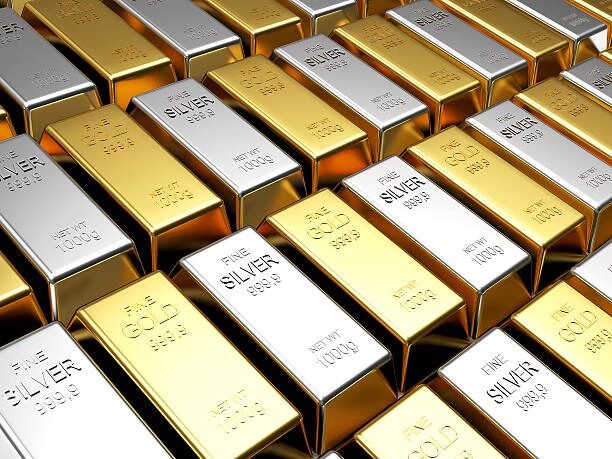
2025 should be regarded as the “YEAR of silver” because of its exorbitant returns in 2025. But is this rally here to stay, or is it a bubble now— a ticking time bomb?
My analysis could be totally wrong, because markets are driven by sentiment in the short term.
We have seen gold and silver getting recognition as monetary assets in 2025. A lot of things have happened behind the scenes when we study why silver rose in a way never seen before.
As most of the gold and silver in India is imported, we tend to align with international prices.
Silver gave a return of 165 percent YoY (base year 2024), which makes it the highest-yielding asset when compared with the benchmark index (NIFTY 50), which gave a 10 percent YoY return.
SILVER DEMAND –
Silver has the highest electrical conductivity of any element, making it irreplaceable for high-efficiency electronics.
Broadly, silver is used in solar panels, EV vehicles, missiles, jewellery, and silverware. Secondly, gold and silver are regarded as safe-haven assets and act as a hedge against inflation and economic instability. Understanding whether the demand is sustainable or not is very crucial for figuring out the future silver rally.
Let’s answer the demand mechanism of silver one by one.
We all know that globally a green revolution is taking place, where governments are spending billions of dollars towards renewable energy. Solar power plays a crucial role in this revolution. Silver is an important metal used in building solar panels, which further capture sunlight and convert it into electricity. So, the demand for silver will increase with increasing budgets for clean energy solutions. But does this mean that the demand is constant? We’ll contradict this fact moving forward.
Traditionally, PERC (passivated emitter and rear contact cells) were used, which consumed a lower amount of silver per watt. But due to evolving technologies, cells like TOPCon and HJT (heterojunction cells) are used. This is because they provide higher efficiency compared to PERC cells, which require a higher amount of silver per watt.
PERC cells – 10 mg silver/watt
TOPCon cells – 13 mg silver/watt
HJT cells – 23 mg silver/watt
TOPCon cells were developed in 2013, but mass production and industry-level usage started in 2019. TOPCon increases efficiency by 28.7 percent, whereas HJT cells increase efficiency by 26 percent.
Around 530 GW of solar power systems were installed globally in 2024, of which China alone added 227.57 GW. As per the International Energy Association, new installed volume is projected to be around 5,500 GW worldwide between 2024–2030.
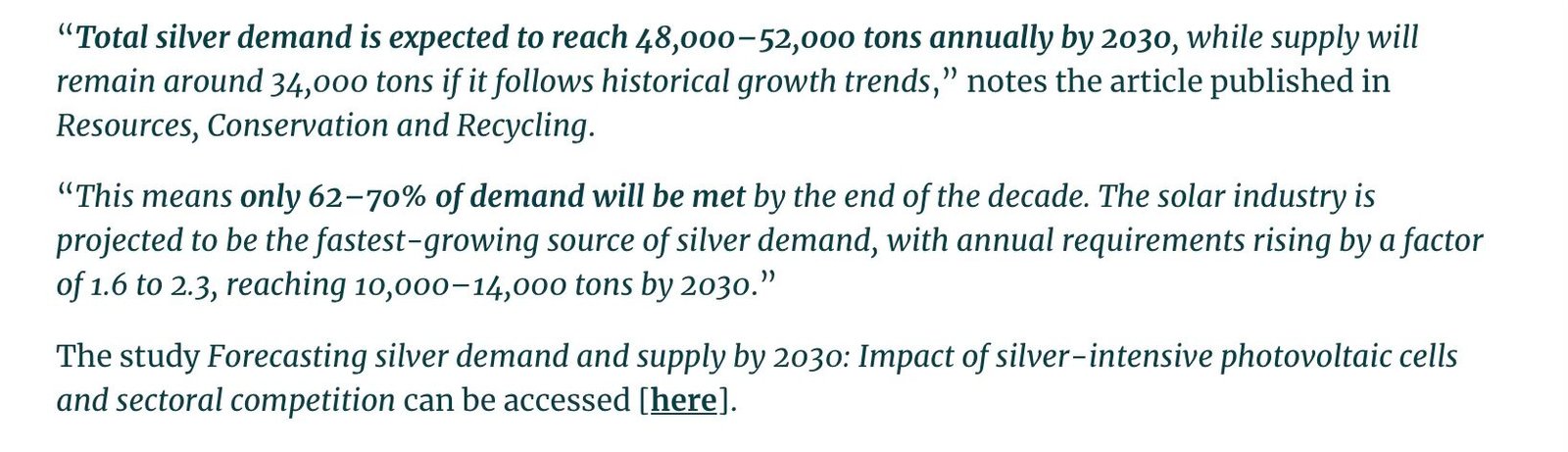
China leads this growth, with solar installations exceeding total U.S. capacity in a single year. In China, PERC cells are losing market share to TOPCon cells due to higher efficiency. China also dominates midstream processing (converting ore into usable metals) globally, and due to this, it has a high supply of silver. We’ll touch upon the supply and geopolitical risk when we analyse the supply chain of silver. Chinese manufacturers are also getting subsidised funding to further expand TOPCon cell capacity.
It is expected that by 2050, 85–95 percent of silver production will be used in the PV industry (personally, I disagree with this statement). But why?
If I think as a manufacturer, rising silver prices will increase my input costs. To reduce dependency, I would look for alternatives that offer high efficiency or reduce silver usage through advanced metallisation techniques. Recycling can also be a good option. So, it all depends on how people react to prices.
INDUSTRIAL DEMAND –
In the automobile sector, increasing demand for EV vehicles to support the green energy revolution is taking over this sector like a storm, which in turn is good news for silver’s demand side. The consumption of silver in EV vehicles is 2–3x higher than in ICE engines.
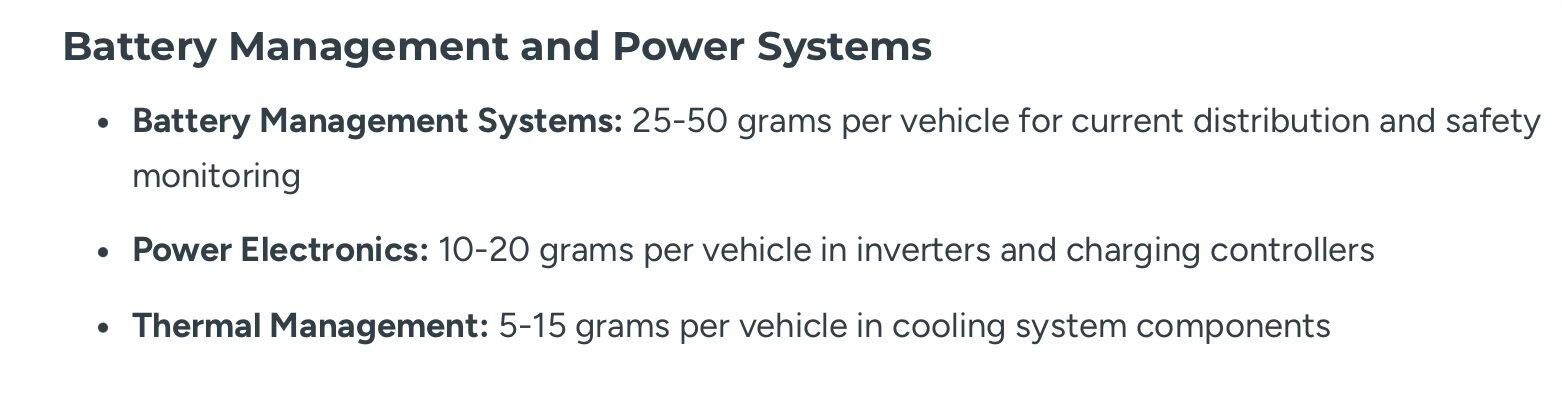
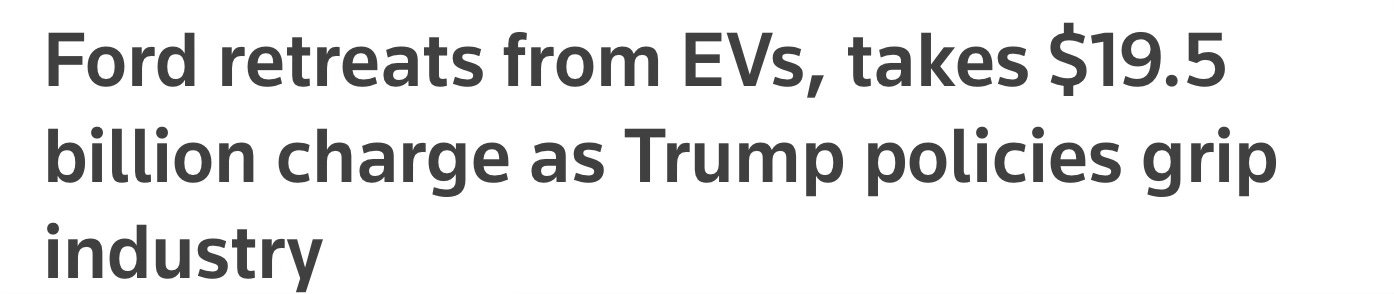
As per my opinion, this demand is highly related to capex allotment in the EV space. If there is a slight drawdown in EV investments, it will impact silver’s demand. We’ve recently seen Ford writing off $19.3 billion worth of investment as policy changes reduced federal support for EVs. So, a major part of surplus demand in silver was gone in the flick of a second. Also, European markets are seeing a slowdown in EV adoption.

Charging station expansion is a by-product of EV expansion, as each EV charging station requires 15–30 grams of silver. So, demand for silver is highly correlated with the EV space.
Silverware (eating utensils — forks, knives, spoons) demand will also face a hit due to high prices

Let’s figure it out.
Gold and silver are regarded as safe-haven assets that provide a hedge against inflation and economic instability. There is a contrary opinion, which I disagree with, that precious metals rally only when there is excessive monetary policy loosening, and since these assets are considered low-yielding, funds move to precious metals for higher yields and lower risk. However, what I have observed is that after the Russia–Ukraine war, when the reserves of Russia were frozen and the Fed was hiking rates, gold and silver still outperformed. This suggests that the relationship is no longer strong, and these precious metals are not treated purely as hedges against political or economic risk.
We know about gold being the monetary asset, but how does silver fit in?
Silver used to rally by staying in the shadow of gold and through its supply–demand constraints. But this eventually started to change when advanced economies such as Russia started increasing their silver reserves in 2024, followed by Saudi Arabia and India showing keen interest in silver.
Another primary reason was the increase in global debt, which mounted to $346 trillion in Q3 2025. This created a credibility gap: when Fed rate cuts were announced, yields on long-term bonds were expected to fall, but instead, long-term yields spiked. This indicated that investors were demanding a higher risk premium for holding government debt, which forced a rotation of funds towards gold and silver.
Silver provides industrial utility and a connection to technological advancement, whereas gold provides stability, global acceptance, and efficient value storage.
But still, central banks are not confident enough in buying silver.
One reason is that the IMF does not recognise silver as a reserve asset, so when gold rises, it impacts silver. Secondly, physical inventories of silver consume nearly 80x more space than gold.
Due to industrial demand, silver is a very volatile asset, which could affect central bank reserves.
Silver is acting as a complementary adoption rather than a strategic one.
Central banks do not depend on silver’s price action because it is more likely to be a payment frontier than a yielding asset for them. At the BRICS Summit 2025, Russia proposed establishing a digital payment gateway between BRICS nations, which could boost silver demand because silver can act as collateral (as per my analysis).
SILVER SUPPLY CHAIN ANALYSIS –
Silver is primarily produced via mining production, recycling, and net producer hedging. Let’s break it down individually.
When copper or zinc concentrates are refined, silver is captured in the anode slimes and residues. Hence, as a waste or by-product, silver is recovered. This separation and purification occur in the midstream process. Smelting and refining are termed midstream processes, whereas the mining of ores such as copper, zinc, lead, and gold is termed the upstream process.
So, silver production largely depends on the capex cycles of these base metals. If copper demand softens, copper miners will not start production just to obtain silver. Silver supply is largely dependent on the market cycle of copper.
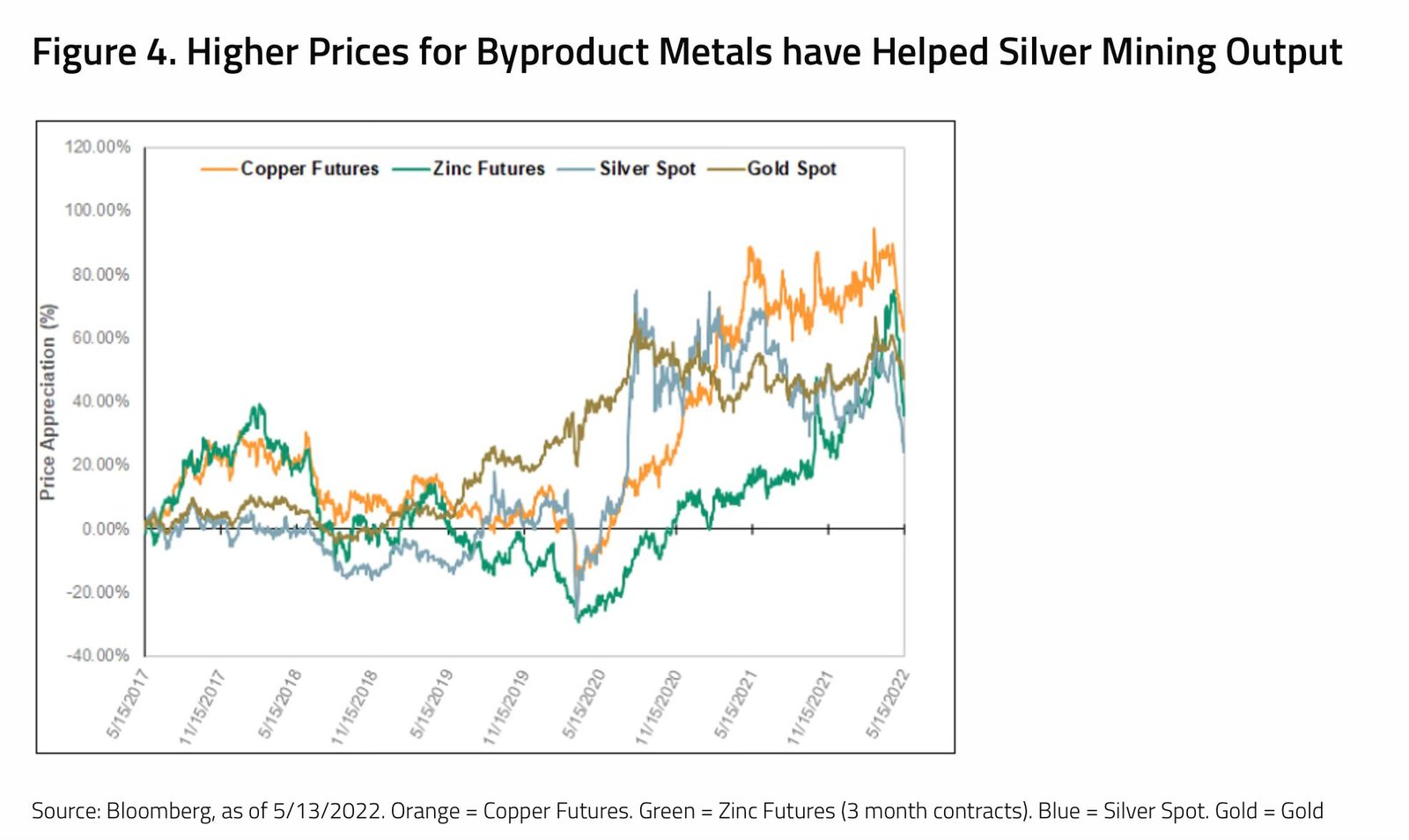
Mexico, Peru, and China account for approximately 60 percent of overall silver production.
In 2025, higher silver production in Mexico and Russia was offset by lower output in Peru and Indonesia. As a result, overall supply in 2025 remained relatively flat. Hence, as demand is increasing due to technological advancement, supply is not able to catch up. Silver has been in a structural deficit for the past five years
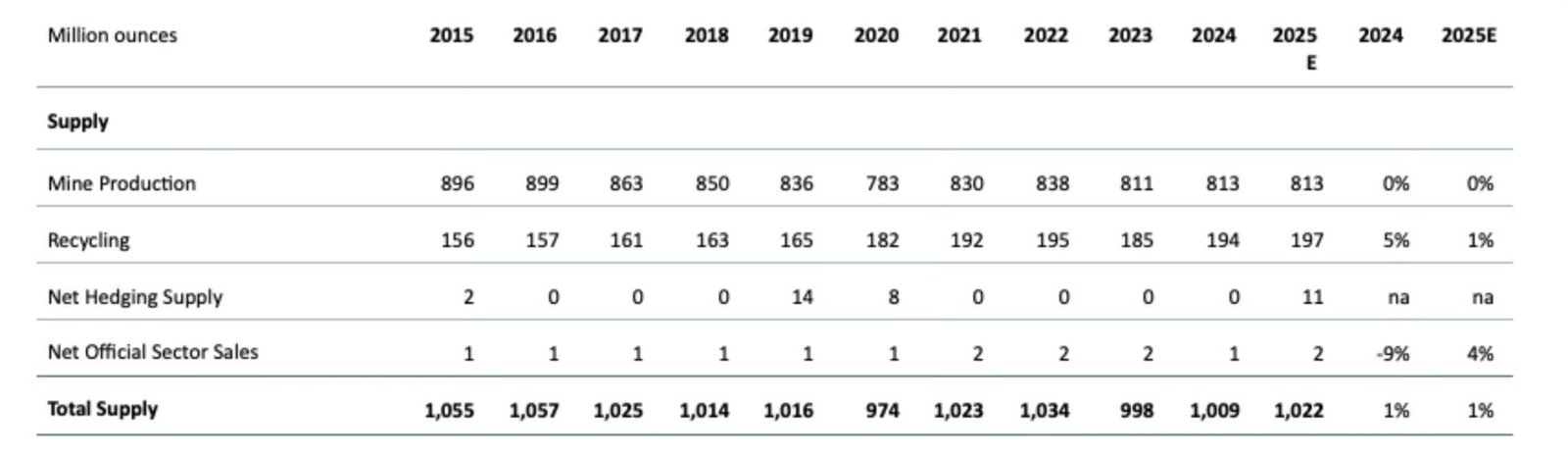
We can clearly see that mine production has been in a deficit stage for approximately five years.
You might be asking: why can’t we produce more silver through mining?
- High energy and compliance costs
- Regulatory and environmental challenges — it takes up to 5–7 years to obtain all approvals required to open new mines
The structural deficit is here to stay because silver supply is highly vulnerable to copper demand, and increasing compliance and energy costs will keep manufacturers away from opening new silver mines.
RECYCLING –
Silver recycling is a complex metallurgical process in which silver scrap from source material goes through a cycle of chemical separation and electrolyte purification.
But can the supply deficit caused by mining be properly fulfilled by recycling?
The supply deficit due to solar demand is huge, accounting for almost 180–200 million ounces of silver. To cover this through recycling, supply would need to grow by at least 80–100 percent. In reality, only 3–5 percent growth can be achieved annually because collecting sources and refining silver is capital-intensive and often unprofitable.
Another category is jewellery and silverware, where it is nearly impossible to convince people to recycle their jewellery just because silver prices have gone up by 10 percent (hypothetically). This supply typically enters the market only during bubble-like conditions, such as in the 1980s and 2011.
India’s context –
So, moving forward, will industrial demand act as inelastic?
It all depends on how manufacturers react to rising silver prices. They may look for alternatives such as copper, but it remains to be seen how consumers react.
Overall, the supply deficit cannot be solved in the short term. It will take time.
In recent times, China has allowed only certain companies to export silver, requiring government licenses, similar to restrictions imposed on antimony and tungsten for 2026–2027. This adversely affects the silver supply chain, as fewer companies are eligible to export, leaving limited scope for new entrants. This could lead to a higher global price risk premium and supply chain disruptions. This can be termed resource nationalism.

While connecting the dots in the next segment, we should keep in mind that supply constraints can arise not only from low production but also from policy decisions.
If I look at overall demand prospects, they appear strong. Yes, there may be ups and downs in EV investments, but the broader story remains intact. I also mentioned the risk of manufacturers shifting away from silver. I don’t think this is feasible, as it would reduce efficiency by 25–30 percent. Manufacturers may pass higher costs to end consumers, but they are unlikely to compromise on efficiency.
In macroeconomics, we study one basic concept: prices move upward when supply is limited and demand is high, which commands a premium. Despite efforts to increase silver production, we are still far from reaching a surplus. From a long-term perspective, we can reasonably predict that silver could be a good yielding asset.
Near-term volatility should be expected because industrial demand and geopolitics do not always move in sync. However, the long-term narrative remains intact.
Going forward, if I research gold and silver, I will not view them as contrarian assets that investors turn to only during economic downturns, but as full-fledged assets. Geopolitically, minerals and metals are likely to play a major role in future conflicts between nations.
We often overlook the gold–silver ratio while analysing precious metals, but it can provide useful insight into market outlook.
I would also avoid paper silver and prefer physical silver or ETFs backed by physical silver.