WHY The Japanese Yen is a Ticking Time Bomb?
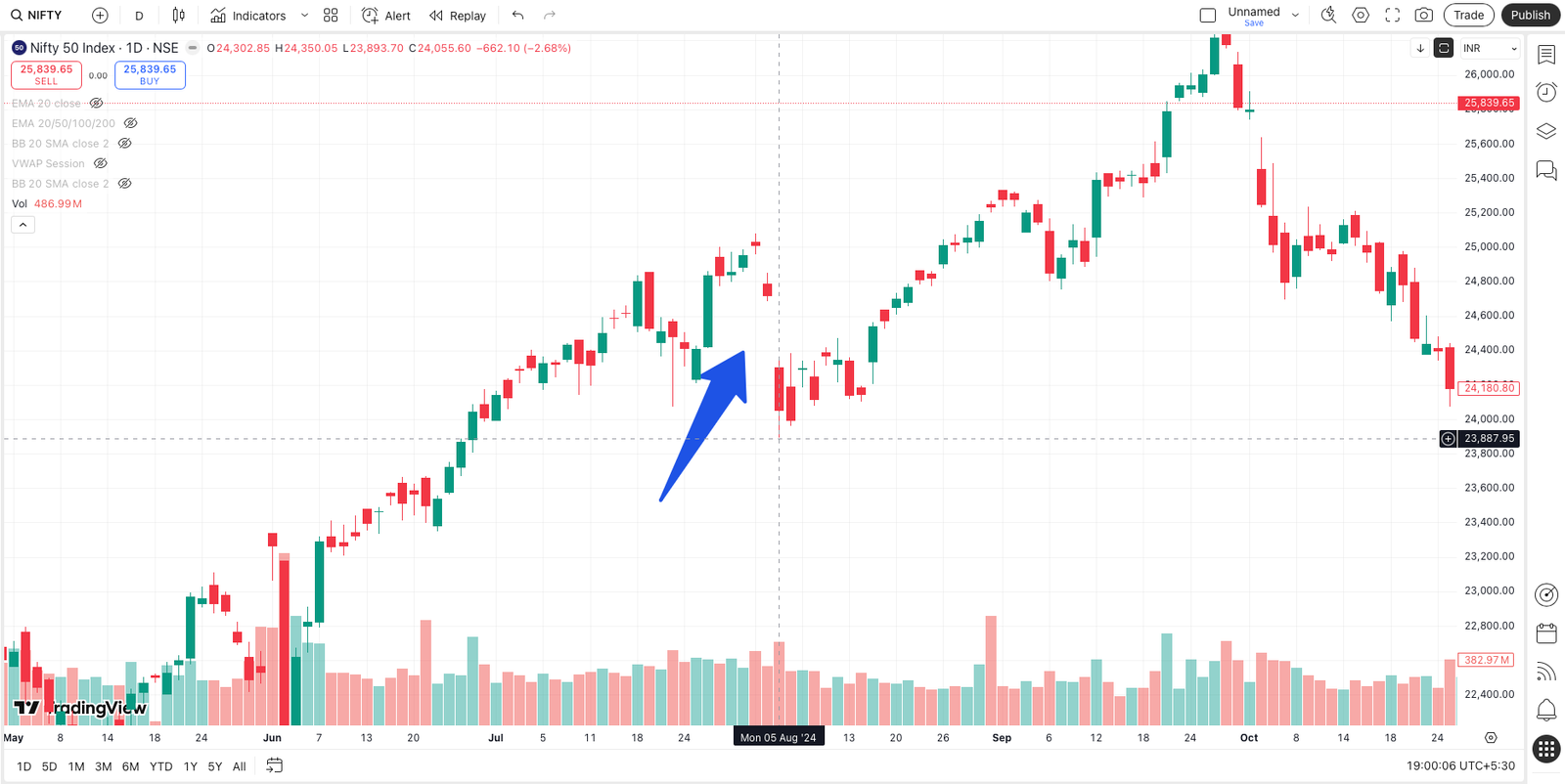
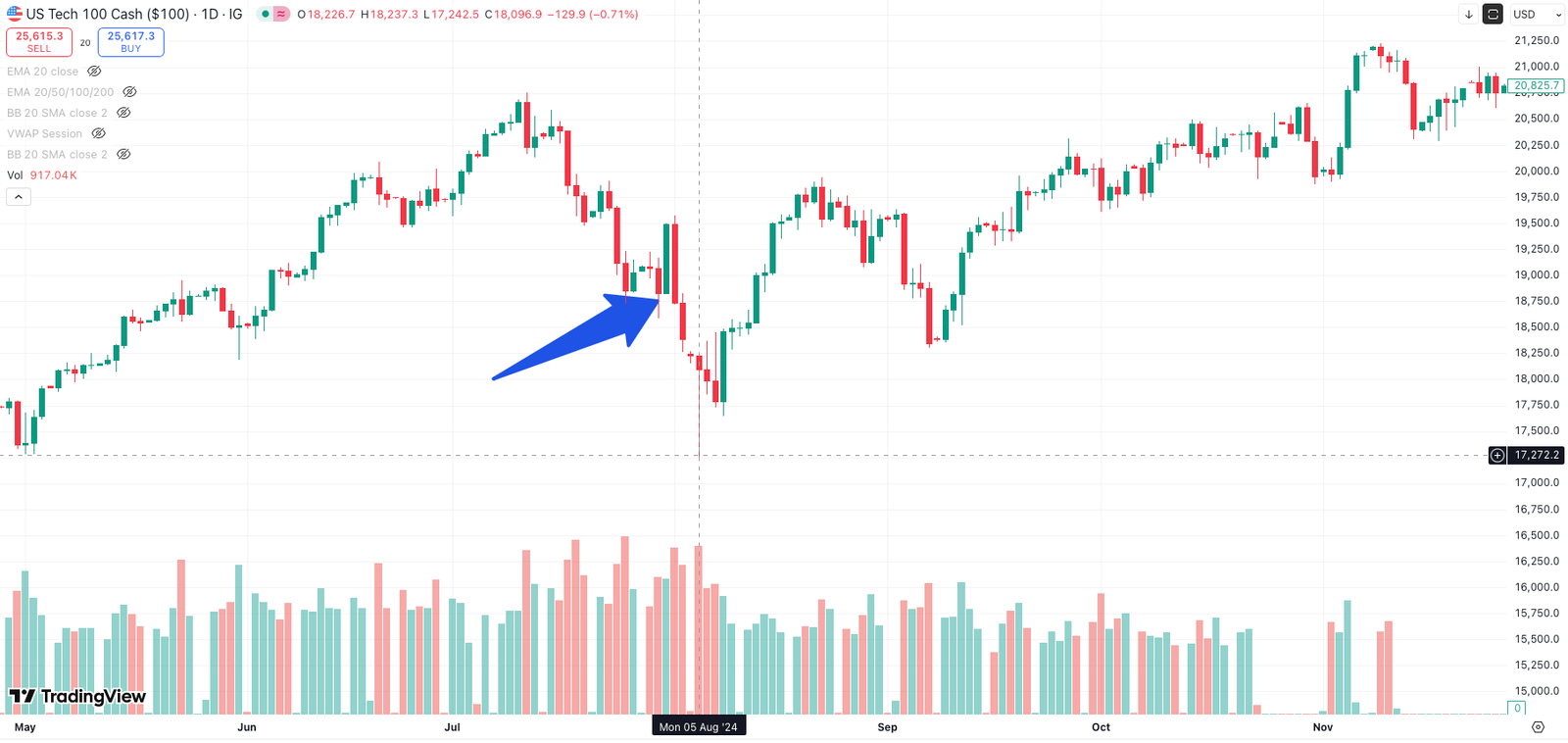
So, let’s deep dive and understand what really made BOJ hike interest rates.
Japan is a country with a historic inflation of 0 percent. Can you and I imagine India with an inflation rate of 0 percent? As per my understanding, it will result in a de-growth of the economy, and if by any chance there is deflation due to this, then we’re in great trouble.
But how did Japan survive this for a very long time?
They mastered the art of living with 0 percent inflation. I am not here to talk about how they survived but rather talk about how their economy works. We all know 2020 was a year of monetary easing around the world except Japan due to COVID. As we all needed money to survive that crisis, it was a much-needed move by the governments across different nations. But what happened is as there were a lot of rate cuts during the year, the global inflation started to rise subsequently which resulted in rate hikes post-COVID.
But the rates in Japan were constant.
So on one side, US interest rates are increasing, and on the other side of the world, rates are constant. But according to interest/inflation rate parity theory, this can’t exist. We’ll touch upon this later.So, it created an arbitrage opportunity to make money (kind of risk-free). And this is termed as Yen Carry Trade.
I will try and explain this in very simple language-
Let’s suppose the lending rate in the US is around 5 percent (hypothetically) and in Japan it’s 0.2 percent. So what I will do is go and take a loan of 100 USD from Japan at 0.1 or 0.2 percent (as we talked earlier, the rate of interest in Japan is very low), and the conversion rate (hypothetically) is 1 USD = 100 JPY, so I owe the bank 10,000 JPY at 0.2 percent interest.
Now, I invest the same money in certain US bonds to get a coupon rate of around 4 percent with a maturity of 2 years (which is also kind of risk-free), as I am assuming the US can’t default. So, what happens is I make around 104 USD in total at maturity with a 4 dollar profit. In this case, we keep 1 USD = 100 JPY after 2 years, so I convert 104 dollars into JPY which gives 10,400 JPY and I pay off the principal amount with interest which is 10,020. Voila, I made a gain of 380 JPY risk-free without even deploying my own money. (PS – This is explained in very layman language).
Now why did I explain Yen carry trade? Because the entire breakdown was due to this. Now, what happened is during COVID as the global inflation was at its peak, there was a sudden spike in disposable income. And Japan being an export-driven economy, exporters/businessmen started getting rich, and the weakening Yen increased inflation in the country as the import cost increased drastically which forced the BOJ to hike interest rates after three decades.
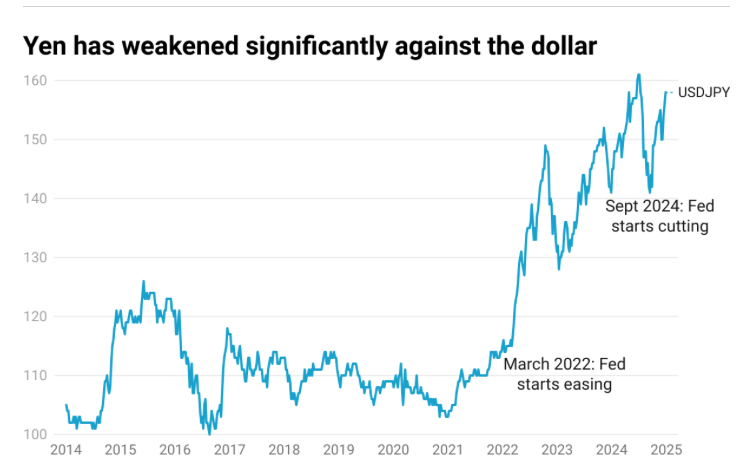
Because all the Yen carry trades can only be termed as a good risk-to-reward ratio if the Yen weakens against the dollar over time, but as soon as the BOJ hiked rates, the Yen got stronger which wiped out the returns of Yen carry trades and increased the borrowing cost. (1 USD = 98 JPY, this is the meaning of JPY getting stronger).
So, as there was an arbitrage opportunity, big hedge funds in the US borrowed heavily from Japan and all the borrowed money flowed into US tech stocks which in turn triggered margin calls as soon as there was a rate hike by BOJ which forced hedge funds to unwind positions in tech stocks in the US. As the pressure was felt in the US, all the other global indices went down.
But why did I make you understand all this? You might be asking why should I focus on what happened in the past?
Because there is much needed attention towards Japan’s BOJ meeting that is on 19 December.
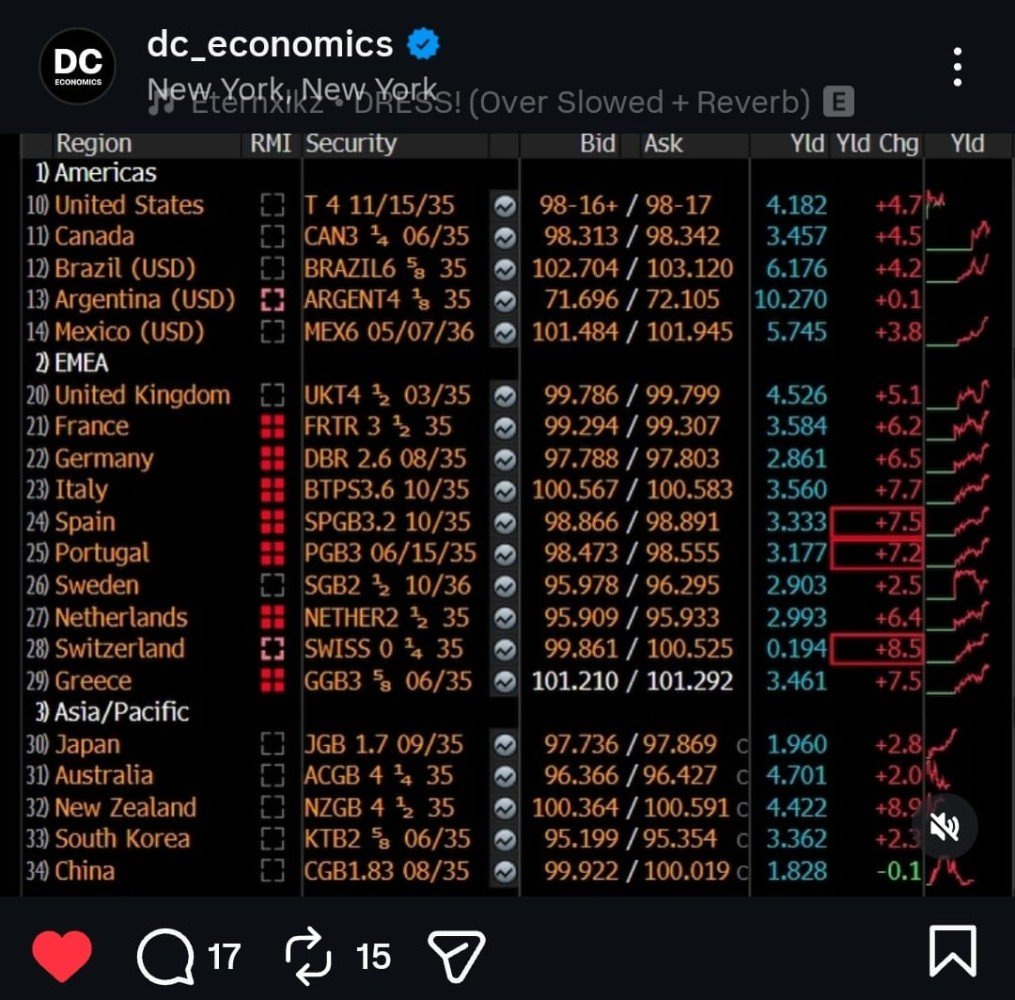
Let’s try and understand what’s happening in the current bond market of Japan?
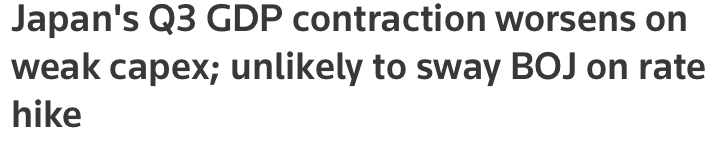
Before that let’s just take a look at the overall economy of Japan and how it is performing. Recent Q3 GDP numbers were alarming in which the economy shrank more than 2 percent, heavily affected by US tariffs, as Japan being heavily dependent on exports took a major hit. And if the BOJ hikes rates in this scenario it will trigger deceleration in the economy.
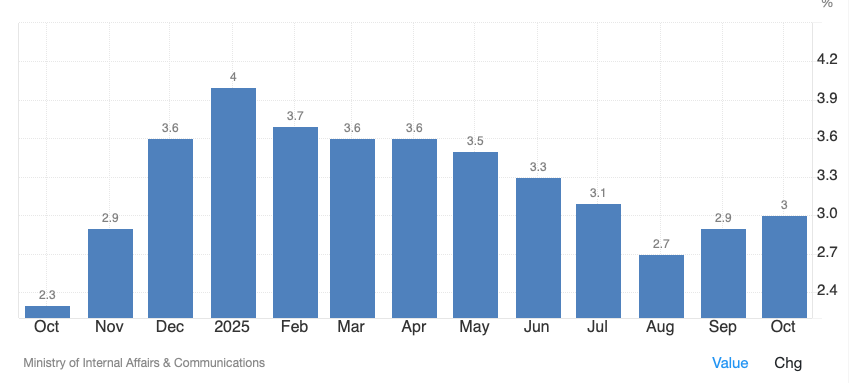
Because inflation is continuously rising in Japan due to weakening of the Yen and as the cost of living is getting expensive, BOJ needs to tighten the monetary policy, so that there is less liquidity of Yen in the market making it stronger which further reduces high import costs.

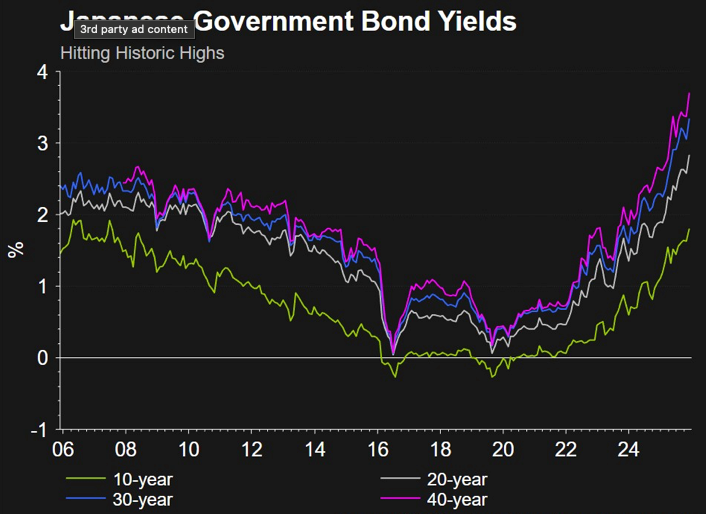


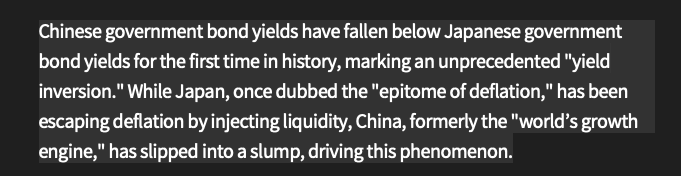
Let’s now fit all the analogy together, as the BOJ plans to hike rates most probably on 19 December, statistically speaking which has a probability of 80 percent, it will make the Yen stronger.
On the other hand, the FOMC meeting is scheduled for 9-10 December and most probably Jerome Powell will cut rates by 25 bps because of the weakening labor market which implies the dollar will get weaker which will strengthen JPY.
Why are we learning what’s happening in Japan? Why does it even matter?
As the Yen strengthens, traders face margin calls. To cover these borrowing costs in Japan, they are compelled to sell US stocks, which amplifies selling pressure across the market.
INDIA ka batao, why do we even care what is happening in the US or Japan?
Let’s just connect the dots for India.
Now, due to this intense unwinding of Yen Carry Trades, FIIs will be short of liquidity which they will get by selling in the emerging markets, and if the selling intensifies more stocks will be down further more.
And also someone very well said that if the US sneezes everyone gets a cold, which is very true in the case of capital markets, so if there is any downfall in the US markets, emerging markets will face a hit.